The historical evolution of gambling From ancient rituals to modern casinos
Public
The historical evolution of gambling From ancient rituals to modern casinos
The Roots of Gambling: Ancient Civilizations
The origins of gambling can be traced back to ancient civilizations where games of chance were integrated into various cultural and religious practices. Archaeological evidence indicates that ancient Chinese, Egyptians, and Romans engaged in forms of gambling, often using dice made from bone or wood. These early games were not merely recreational; they frequently involved rituals that sought divine favor or luck, reflecting a deep-seated belief in fate and fortune. For those seeking further insights, aviator india offers exciting exploration into online gaming options.

In ancient Greece, gambling was closely tied to religious festivals, where events such as betting on athletic competitions were commonplace. The Romans expanded this concept, introducing betting to a broader audience through gladiatorial games and chariot races. This form of entertainment created an environment ripe for gambling, as spectators placed wagers on their favorite competitors, thus intertwining sports with betting practices.
The development of gaming tools, such as dice and playing cards, further revolutionized gambling in these societies. The invention of cards, believed to have originated in China during the Tang Dynasty, spread across continents, eventually reaching Europe by the late Middle Ages. As each civilization contributed unique games and betting methods, gambling evolved into a complex social activity that reflected the values and traditions of its time.
The Middle Ages and Gambling Culture
The Middle Ages marked a significant turning point in the history of gambling. During this period, various forms of betting became prevalent in European courts, with nobles often indulging in high-stakes games of chance. The emergence of gambling houses became a hallmark of this era, providing a more formal environment for wagering. Games like dice, cards, and early forms of roulette became the centerpiece of social gatherings and were often patronized by the aristocracy.
Despite the popularity of gambling among the elite, the Church condemned these practices, associating them with vice and moral degradation. This led to a turbulent relationship between gambling and society, where underground gaming houses thrived. The conflict between religious authority and the public’s fascination with chance games created an atmosphere where gambling was both celebrated and vilified, fueling its allure.
The invention of the printing press in the 15th century helped spread information about gambling, making it more accessible to the masses. Literature began to detail strategies and rules, democratizing knowledge that was once reserved for the wealthy. This not only transformed gambling into a popular pastime but also laid the groundwork for modern gambling regulations and attitudes, leading to greater acceptance in society.
The Rise of Casinos: The 17th and 18th Centuries
The 17th century saw the establishment of the first official gambling houses in Europe, with Venice’s Ridotto being a pioneering example. These establishments aimed to regulate gambling and curb illegal activities, offering a safe and legal venue for enthusiasts. As the popularity of these gaming houses grew, various gambling games became standardized, leading to the creation of games like baccarat, chemin de fer, and early versions of poker.
The late 18th century witnessed the expansion of casinos throughout Europe, particularly in France. The French Riviera became synonymous with high-stakes gaming, attracting the wealthy and elite from around the world. The glamorous atmosphere of these casinos was enhanced by elaborate architecture, luxurious amenities, and a sense of exclusivity, marking a transition from simple betting to an organized entertainment industry.
This era also witnessed the emergence of game designers and strategists, who began to develop systems and theories around gambling. The introduction of the roulette wheel and standardized decks of cards revolutionized gameplay, making it more structured and appealing to a broader audience. As casinos flourished, the psychological and social aspects of gambling were recognized, leading to a deeper understanding of the human fascination with chance and risk.
The 20th Century: Legalization and Commercialization
The 20th century was marked by widespread legalization and commercialization of gambling, particularly in the United States. The rise of Las Vegas as a gambling capital in the 1930s signaled a shift in how society viewed gambling. Once considered taboo, gambling became a legitimate business, attracting tourists and generating significant revenue. The construction of lavish casinos, complete with entertainment and dining, transformed gambling into an experience rather than merely a pastime.
This era also saw the advent of technology in gambling. The introduction of electronic slot machines in the 1960s revolutionized the gaming industry, making it accessible to those who might not engage in traditional table games. The concept of “gambling as entertainment” gained traction, appealing to a younger demographic seeking a thrilling night out. This shift emphasized the importance of branding and marketing in attracting players, further solidifying gambling’s status as a mainstream activity.
During this time, regulatory frameworks were established to protect consumers and ensure fair play. Organizations began to monitor gambling activities, resulting in enhanced consumer confidence. This regulatory approach enabled the gambling industry to thrive, leading to a dramatic increase in both physical and online casinos, paving the way for the modern gaming landscape we see today.
The Digital Age: Online Gambling and Future Trends
The digital revolution has dramatically changed the gambling landscape, with online casinos emerging as a major player in the industry. The early 2000s marked the beginning of internet gambling, allowing players to wager from the comfort of their homes. Online platforms provided unprecedented access to a wide range of games, from traditional table games to innovative slot machines, catering to a diverse audience.
This shift to digital gambling has also introduced new technologies such as virtual reality and blockchain, creating immersive experiences and promoting transparency. Gamblers can now participate in live dealer games streamed in real-time, enhancing the social aspect of online gaming. Furthermore, advancements in mobile technology enable players to gamble on-the-go, further expanding the market and making gambling more accessible than ever.
As the industry continues to evolve, the importance of responsible gambling has gained prominence. Operators are now implementing measures to promote safe gaming practices and provide resources for those in need of help. The focus on regulation and ethical gambling will shape the future, ensuring that as gambling evolves, it does so in a way that prioritizes player welfare alongside enjoyment.
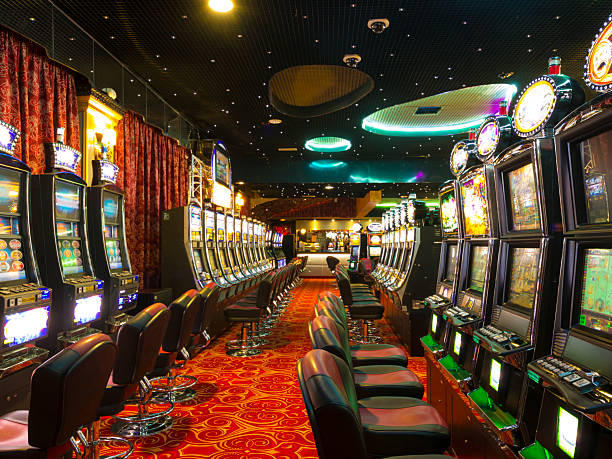
Exploring the Exciting World of Gambling Today
As gambling continues to evolve from its ancient rituals to modern casinos, the journey reflects humanity’s enduring fascination with chance and risk. Whether it is through traditional gaming houses or the latest online platforms, the allure of gambling remains strong. Today, players can enjoy a plethora of gaming options, each offering unique experiences and potential rewards.
The modern gambling landscape is defined by its diversity and innovation. Players can choose from various forms of entertainment, including live sports betting, esports, and interactive games, each catering to different preferences and lifestyles. With the rise of mobile gaming, the ability to gamble anywhere has further enhanced its appeal, drawing in a new generation of enthusiasts.
At the forefront of this dynamic industry are platforms that prioritize player experience, offering a seamless blend of entertainment and opportunity. As technology continues to shape how we engage with gambling, the future promises exciting developments that will redefine the boundaries of this age-old pastime. The evolution of gambling is a testament to its enduring significance in society, as it adapts and thrives in ever-changing environments.